
£195.00
For research use only — Not for human or animal use
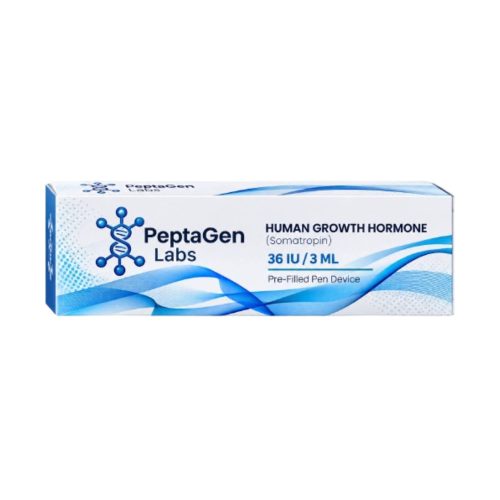
Our Retatrutide 40mg Pen is a research peptide developed for scientific investigation into metabolic signalling, appetite pathways and body weight regulation. Retatrutide was originally developed by Eli Lilly and is being studied for its triple-action mechanism across GLP-1, GIP and glucagon receptors.
Unlike compounds that focus on one receptor pathway, Retatrutide is designed to activate GLP-1, GIP and glucagon together. This multi-receptor approach has made it a major focus within current metabolic research, particularly in studies exploring how hormone signalling may influence appetite, blood sugar response, energy balance and long-term metabolic health.
This product is supplied strictly for laboratory and research purposes only. It is not for human consumption, medical use or veterinary use.
Retatrutide is an investigational triple receptor agonist studied for its activity across three hormone pathways involved in metabolism:
By combining these three pathways, researchers are exploring whether Retatrutide may produce broader metabolic effects than single-pathway compounds. This is why Retatrutide pens have become increasingly discussed within weight loss, type 2 diabetes and fatty liver disease research.
Retatrutide works by activating GLP-1, GIP and glucagon receptor pathways at the same time. These pathways are linked to several biological processes involved in appetite, blood sugar, energy use and metabolic regulation.
Researchers are especially interested in the relationship between these receptor systems. Rather than studying hormones GLP-1, GIP or glucagon in isolation, Retatrutide allows scientists to assess how combined receptor activity may affect metabolic signalling as a whole.
This triple action profile is one of the main reasons Retatrutide is being compared with earlier incretin-based research compounds.
Retatrutide is being researched because it gives scientists a way to study several metabolic pathways within a single compound. This is useful in laboratory and clinical research where appetite control, blood sugar response, energy expenditure and body composition are all connected.
Instead of repeating the same research areas separately, Retatrutide research focuses on how these systems interact. This includes how GLP-1, GIP and glucagon receptor activity may influence metabolic adaptation over time.
Retatrutide has been investigated in clinical trials assessing changes in body weight, metabolic markers, blood sugar response and safety observations. In published research, Retatrutide has been studied across periods of up to 48 weeks, giving researchers insight into longer-term triple receptor activation.
Clinical research has also examined reported side effects under controlled study conditions. As Retatrutide remains an investigational compound, further research is still ongoing, and no claims are made regarding safety, treatment or effectiveness.
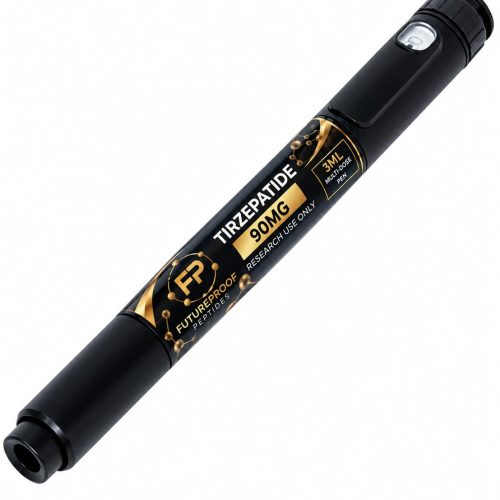
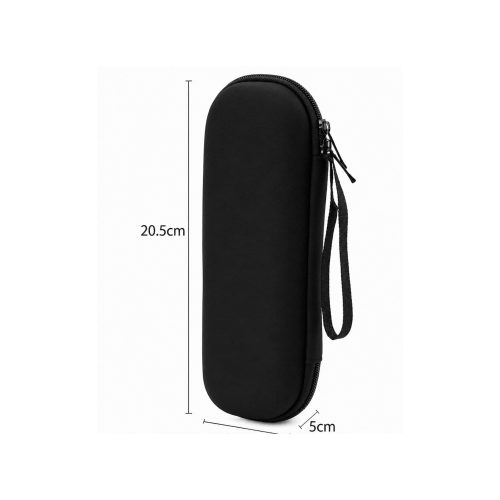
The Retatrutide 40mg Pen provides a convenient research format for laboratories working with Retatrutide in a controlled setting. The pen presentation may help reduce handling, support consistent storage and provide a practical option for research environments requiring a pre-filled format.
In published clinical research, Retatrutide has been investigated as a subcutaneous injection, with administration sites including areas such as the abdomen, thigh and upper arm. This information relates to published research only and is not intended as usage guidance.
Retatrutide should be stored correctly to help maintain product stability. Keep the product refrigerated between 2°C and 8°C, protected from direct sunlight and away from excessive heat.
Standard storage guidance includes:
Researchers are responsible for ensuring this product is handled, stored and used in line with relevant UK regulations for research materials. Disclaimer: This product is sold strictly for laboratory and research purposes only. Not for human consumption. Not for animal use.
Discount Applied Successfully!
Your savings have been added to the cart.
Added to cart
Check out our shop to see what's available