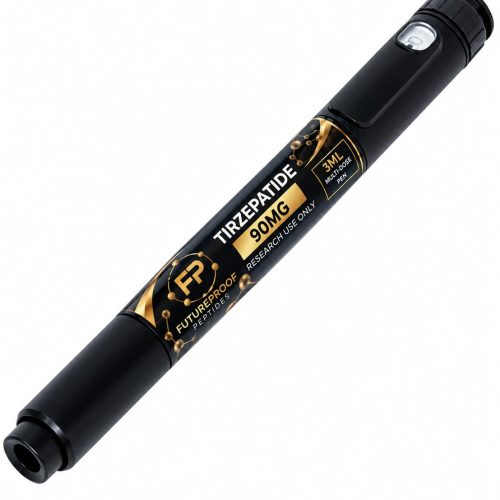
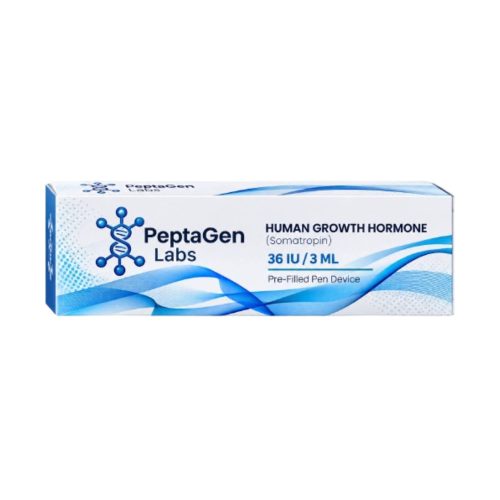
NAD+ 500mg Pen is a
research peptide designed for studies involving metabolic recovery, mitochondrial activity, and short-term cellular energy response. NAD, short for nicotinamide adenine dinucleotide, is a coenzyme naturally present within cells where it plays a vital role in energy transfer and intracellular signalling.
Because NAD levels naturally decline over time, researchers continue exploring how controlled
NAD availability may influence recovery-related pathways, neurological performance models, and metabolic resilience.
The 500mg format is commonly associated with lower-volume observation protocols where analytical consistency and controlled exposure are prioritised.
What Is NAD+?
NAD+ functions as a coenzyme involved in redox reactions that support ATP generation and mitochondrial respiration. In simple terms, it helps cells convert nutrients into usable energy at a cellular level.
Beyond energy metabolism, NAD is also linked to pathways associated with:
- Sirtuin signalling and metabolic regulation
- PARP-mediated DNA repair activity
- Oxidative stress response
- Cellular maintenance linked to healthy ageing and brain function
Because NAD interacts with multiple enzymatic systems throughout the body, researchers continue studying
how changes in NAD availability may affect cellular efficiency and metabolic balance over time.
What Makes The 500mg Format Different?
The NAD+ 500mg Pen is commonly used in lower-volume metabolic observation models where researchers focus on controlled exposure, shorter protocol durations, and analytical precision.
Compared to higher concentration formats, the 500mg version is often associated with studies exploring:
- Short-term metabolic response
- Cognitive and neurological observation models
- Cellular recovery pathways
- Controlled NAD availability during lower-dose protocols
This has made the 500mg format particularly relevant in research settings where response monitoring and handling consistency are prioritised. Researchers also continue evaluating how direct NAD delivery systems compare with traditional NAD supplement models in relation to systemic exposure and intracellular distribution.
NAD+ And Cellular Recovery Research
Research involving NAD+ often focuses on how cells respond following metabolic stress and energy depletion. Because NAD is involved in intracellular electron transfer and ATP regeneration, researchers continue studying how boosting NAD levels may influence recovery-related signalling pathways.
Studies in this area have explored:
- Mitochondrial recovery efficiency
- Cellular redox balance
- Oxidative stress adaptation
- Neurological recovery observation models
Some observation models also evaluate how administering NAD through an NAD injection system may affect systemic exposure compared to oral precursor compounds. Injectable delivery methods are studied because they bypass digestive metabolism, with some analytical models exploring 100 bioavailability assumptions under controlled conditions.
In simple terms, this area of research looks at how cells restore energy balance and maintain function following periods of metabolic demand. These findings remain limited to laboratory settings and are not intended to diagnose, treat, cure or prevent any disease.
Use & Storage
The NAD injector pen is supplied in a controlled auto injector pen format intended for laboratory handling and analytical observation protocols.
Standard handling procedures include:
- Maintaining refrigerated storage conditions
- Protecting the formulation from direct heat and light exposure
- Following validated laboratory handling procedures
- Selecting the appropriate injection site according to protocol requirements
The integrated micro needle system is designed to support consistent handling during controlled observation procedures linked to administering NAD. Controlled preparation and storage conditions help support formulation stability and analytical consistency during observation periods.
Disclaimer: This product is sold strictly for research purposes only. Not for human consumption.